Planning · One island, two sets of rules
North or south Cyprus: which side suits your holiday?
North or south Cyprus? Flights, entry rules, health cover, phones, money, climate and sights compared with official sources, plus the one route that lets you see both sides without trouble.
- Filed under
- Plan your trip
- Updated
- 29 September 2026
- By
- The editors
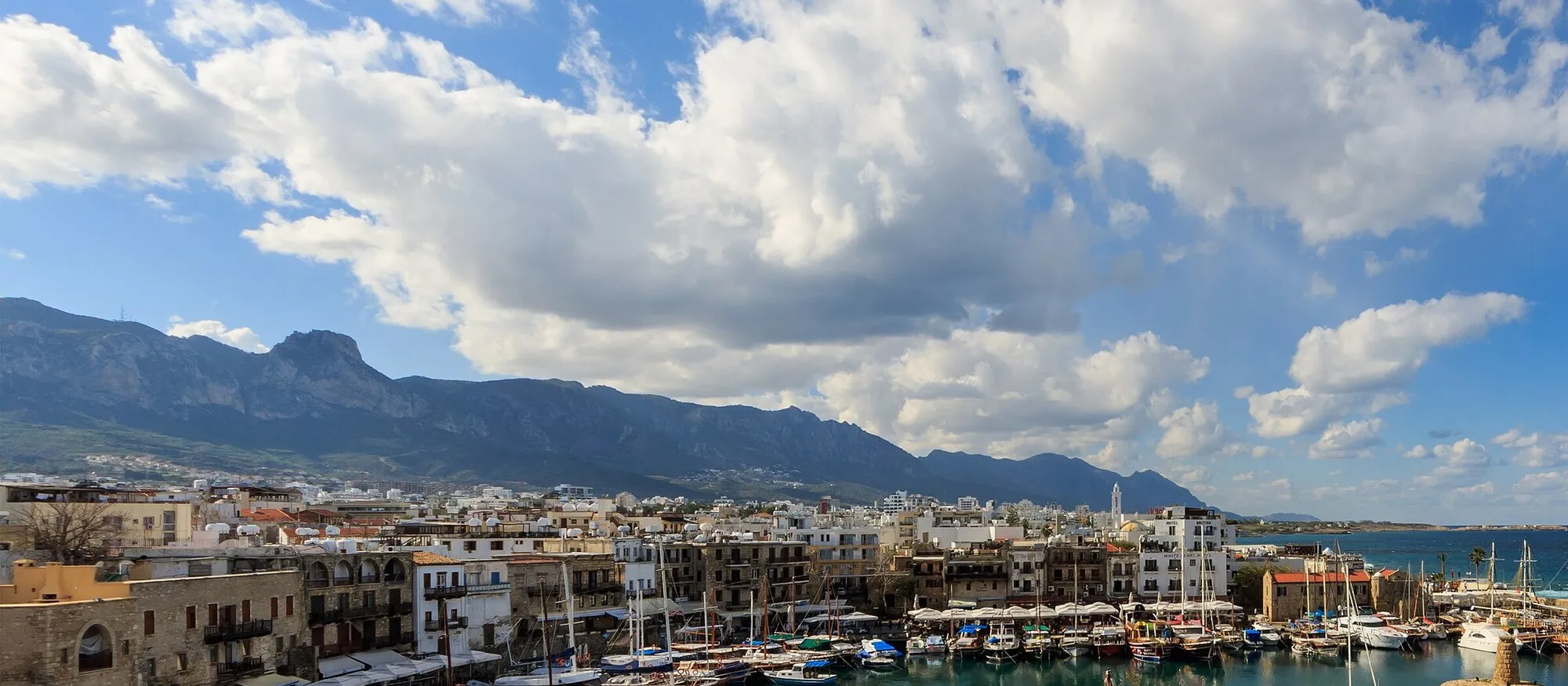
For most UK holidaymakers, base yourself in the south and visit the north as a day trip or a short stay. The south, the Republic of Cyprus, has direct UK flights, EU rules on roaming and healthcare, and full consular support. The north has Kyrenia’s harbour, the Gothic ruins of Bellapais and Famagusta and the empty beaches of the Karpas, but every flight to it stops in Turkey, and flying into the north’s airport can cause problems with the Republic later on. Fly into Larnaca and Kyrenia is about 80 minutes away by road.
The island has been divided since 1974. The Republic of Cyprus controls the south, is recognised internationally and joined the EU in 2004. The north is run by the self-declared “Turkish Republic of Northern Cyprus”, which only Turkey recognises. A UN buffer zone, the Green Line, runs between them and through the middle of Nicosia. The UK government does not recognise the administration in the north, and that single fact drives most of the practical differences below.
The quick answer
| South (Republic of Cyprus) | North | |
|---|---|---|
| Recognised by the UK | Yes, EU member state | No |
| Direct flights from the UK | Yes, to Larnaca and Paphos | No, Ercan only serves Turkey |
| Currency | Euro | Turkish lira |
| Phone roaming | EU roaming rules apply | Turkish +90 networks, no EU caps |
| EHIC or GHIC healthcare | Yes | No |
| UK consular help | Full | Limited |
| August average high | 31.0°C (Paphos) to 33.3°C (Paralimni) | About 33°C (Kyrenia) to 34.3°C (Famagusta) |
| UNESCO World Heritage Sites | All three on the island | None |
| Drives on the | Left | Left |
Getting there is the biggest difference
From the UK you can fly direct to Larnaca or Paphos in the south in about four and a half to five and a half hours; our flight time guide has the figures by airport. Ercan International Airport, the north’s main airport about 13 km east of Nicosia, is different. Because of the dispute over the island, it only serves flights to and from Turkey, so a “flight to North Cyprus” from Stansted or Manchester always touches down in Turkey first, often with a change of plane.
That route has a second cost that holiday companies rarely spell out. The UK Foreign Office says that if you enter the Republic of Cyprus through the north, for example through Ercan, the Republic’s authorities will consider you to have entered illegally. You could be fined, refused entry to or exit from the Republic, or stopped from crossing back into the north. If there is any chance you will want to visit the south, use Larnaca or Paphos.
Doing it that way costs less time than people expect. On the public road network, Larnaca Airport to Kyrenia harbour is about 80 km and 80 minutes by car, against about 48 km and 56 minutes from Ercan. Add time for the checkpoint queue. Famagusta’s old walled city is about 57 km and an hour from Larnaca Airport. Coming from Paphos Airport the same trip to Kyrenia is about 170 km and two and a half hours, so if the north is your main interest, Larnaca is the airport to book.
Passports, insurance and help if things go wrong
You can cross the Green Line at any official crossing point, and the Foreign Office notes that Ledra Palace and Ledra/Lokmaci Street in Nicosia are for pedestrians only. Take your passport. The Republic counts days spent in the north towards your 90 visa-free days, so a long stay split across both sides is still one allowance. Our Green Line crossing guide covers the mechanics and the customs limits on goods you carry back south, and the entry requirements guide explains passport validity and stamps.
Three things change once you are north of the line:
- Health cover. EHIC and GHIC give access to state healthcare in the Republic. The Finnish national contact point for cross-border healthcare states that the card is not valid in the northern part of Cyprus, so your travel insurance has to do all the work there. Check that your policy names the north, which our travel insurance guide explains.
- Consular support. The Foreign Office can only give limited help in the north, and the authorities there do not share information with the British High Commission about the location, wellbeing or treatment of British nationals. It says this can leave visitors more vulnerable.
- Documents. The Republic does not recognise residence permits issued in the north, which matters if you are thinking about a longer stay or property rather than a holiday.
The Foreign Office has no advice against travel to any part of the island, and its safety overview applies on both sides. The difference is in what happens when something goes wrong, not in day-to-day risk.
Money, phones and driving
The south uses the euro. The north uses the Turkish lira, although tourist businesses often quote in other currencies too, so check which currency a price is in before you pay. Our Cyprus currency guide covers cards, cash and conversion choices for the Republic.
Phones catch people out. The north runs on the Turkish numbering plan under +90 and is outside the EU, so EU roaming rules and price caps do not apply there, and a phone set to pick networks automatically can join a northern or Turkish network even on the southern side of the line. Our guide to using your phone in Cyprus explains how to lock your handset to a network in the Republic.
If you are driving, the Foreign Office says cars hired in the Republic often have no insurance cover in the north, and you will not be let through a vehicle crossing without the right documents. Insurance can be bought at some crossings, including Agios Dometios, but that does not mean your hire company allows the trip. Ask before you book, as our car hire guide sets out. Both sides drive on the left.
Language is the easy part. Greek is spoken in the south and Turkish in the north, and English works across the tourist economy on both sides; our language guide has the place names that change a third time north of the line, such as Girne for Kyrenia.
Which side of Cyprus is warmest?
Summer heat is about the same across most of the island, but the west coast of the south is the mildest. These are average daily highs from the nearest published station tables. Periods differ, so read them as a guide rather than an exact contest.
| Station | January | August | Yearly rain |
|---|---|---|---|
| Paphos Airport, south-west (1991 to 2020) | 17.3°C | 31.0°C | 393 mm |
| Paralimni, south-east | 16.0°C | 33.3°C | not compared |
| Kyrenia, north coast (long-term averages) | 16°C | 33°C | about 534 mm |
| Famagusta, east (2017 to 2024) | 17.4°C | 34.3°C | not compared |
The north coast sits under the Kyrenia mountains and catches more winter rain: its published averages show 133 mm in December and 117 mm in January, against 97.6 mm and 89.5 mm at Paphos Airport. From June to September it is almost completely dry on both sides. For a hot beach holiday either side works; for winter sun, Paphos has the edge. Our best time to visit Cyprus guide goes through the island month by month.
What each side has to see
The south holds all three of the island’s UNESCO World Heritage Sites: the mosaics and tombs of Paphos, the painted churches of the Troodos mountains and the Neolithic settlement at Choirokoitia. It also has the bigger resorts, the wine villages, the Blue Flag beaches of Ayia Napa and Protaras, and the island’s highest ground around Mount Olympus.
The north’s highlights are fewer but distinctive. Kyrenia’s horseshoe harbour and castle, pictured above, are the best-known sight on the island’s north coast. Bellapais Abbey and St Hilarion Castle sit in the mountains just behind the town. Famagusta has a walled Venetian city with a Gothic cathedral turned mosque, and ancient Salamis lies just north of it. At the far north-east tip, the Karpas peninsula is the least developed coast on the island.
Nicosia is the one place where you get both in a single walk: the old town runs straight up Ledra Street to the pedestrian crossing, and the northern half of the walled city is on the other side.
So, north or south?
- First trip to Cyprus, or travelling with children: the south. Direct flights, EHIC or GHIC cover, EU roaming and full consular support.
- You want to see the north’s castles and harbours: stay in the south, fly into Larnaca and spend a day or two in Kyrenia or Famagusta.
- You want a whole holiday in the north: it is possible, but accept a Turkish stopover, check that your insurance names the north, and understand that arriving via Ercan can cause problems if you later want to enter the south.
- Winter sun: the south-west, around Paphos, is the mildest and driest.
- You mainly want a beach: the south, where the choice of resorts and facilities is far wider.
If the south is your answer, our guide to the best place to stay in Cyprus matches each resort to a type of trip, and the head-to-head comparisons of Larnaca or Paphos and Limassol or Paphos help you choose a base.
Sources for changing details: Entry, consular, hire-car and regional advice from the UK Foreign Office pages on entry requirements, safety and security and regional risks, last updated 14 August 2026 and checked 29 September 2026. EHIC position from the Finnish national contact point’s Cyprus page. Ercan’s routes from the Ercan International Airport reference page. Paphos Airport 1991 to 2020 normals from NOAA/WMO, Kyrenia averages from BBC Weather and the northern meteorological office, and Famagusta 2017 to 2024 normals from Meteomanz, as reproduced on the Paphos, Kyrenia and Famagusta reference pages; Paralimni from the Meteorological Service table on Climate of Cyprus. Driving distances and times are OpenStreetMap routing estimates and exclude checkpoint queues. Rules at the Green Line can change, so check them for your own dates.
Hero photo: Kyrenia harbour from the castle bastion, by A. Savin, via Wikimedia Commons, licensed Free Art License. Cropped.

Quick answers
Frequently asked questions
Is north or south Cyprus better for a holiday?
For most UK visitors the south is the simpler choice. It is the internationally recognised Republic of Cyprus, an EU member with direct flights from UK airports, full consular support, EU roaming and EHIC or GHIC healthcare. The north suits travellers who want Kyrenia, Bellapais, Famagusta and the Karpas peninsula and are happy to accept a Turkish stopover or a land crossing, limited consular help and no EU consumer protections.
Can you fly directly from the UK to northern Cyprus?
No. Ercan, the main airport in the north, only serves flights to and from Turkey, so every flight from the UK stops in Turkey first. The UK Foreign Office also warns that the Republic of Cyprus treats entry through the north, including via Ercan, as illegal entry, which can lead to a fine or being refused entry or exit by the Republic.
Which side of Cyprus is warmest?
In summer the east and the north coast run hottest. Famagusta averages about 34C in July and August and Kyrenia about 33C, while Paphos Airport on the west coast averages 31.0C in August. In winter the positions reverse slightly: Paphos averages 17.3C in January against about 16C at Kyrenia, and the north coast gets noticeably more winter rain.
Does my GHIC or EHIC work in northern Cyprus?
No. The EHIC arrangements cover state healthcare in the Republic of Cyprus only, and the Finnish national contact point for cross-border care states plainly that the card is not valid in the north. Make sure your travel insurance covers the north by name if you plan to stay or travel there.
Can you visit both north and south Cyprus on one trip?
Yes, and the straightforward way is to fly into Larnaca or Paphos and cross at an official checkpoint. The Foreign Office says visitors can use any crossing point, and Ledra Street in Nicosia is pedestrian-only. Time spent in the north counts towards your 90 visa-free days in the Republic.